

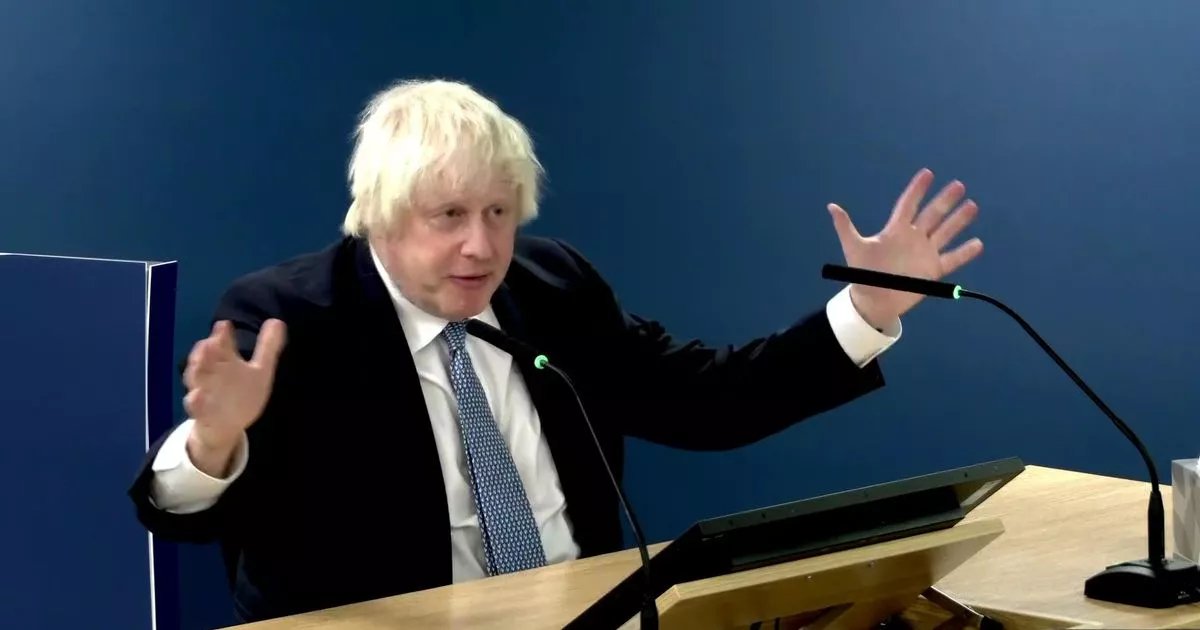

Boris Johnson has acknowledged that his government was slow to fully grasp the severity of the Covid-19 situation. During the Covid-19 Inquiry, the former Prime Minister expressed his belief that perhaps children should have been exempt from lockdown measures. He was questioned about the sudden closure of schools during the pandemic and the potential harm caused to a generation of children.
Reflecting on the past lockdowns and restrictions, Boris Johnson admitted that the rules, such as the “Rule of Six,” may have been overly complex, especially concerning children. He suggested that a way could have been found to allow children some exemptions from the restrictions.
England was under a national lockdown from late March to June 2020, with strict limitations on movement except for essential purposes like obtaining food or medical assistance. A “Rule of Six” policy was also implemented in September, limiting social gatherings in England to no more than six individuals.
Questions were raised about children’s outdoor activities during the restrictions, with concerns that outdoor play was essential for their exercise. The decision to close schools abruptly on March 18, with closures taking effect two days later, was also scrutinized.
As Boris Johnson faced criticism and protests outside the inquiry venue, concerns were voiced about the impact of school closures and remote learning on children. Reports indicated that many children faced challenges with remote learning due to inadequate resources, such as lack of usable computers and chaotic home environments.
The inquiry highlighted the lack of a national plan for remote learning in the early stages of the pandemic, leading to difficulties in adapting to the sudden shift to remote education. Despite the challenges, Boris Johnson maintained that school closures were a necessary step to prevent overwhelming healthcare systems and to save lives.
In response to the inquiry’s queries about responsibility, Boris Johnson accepted accountability for decisions made during the pandemic, acknowledging mistakes and expressing pride in the efforts of teachers and schools. He emphasized the difficult circumstances faced and the need to balance the health and well-being of the population.
While acknowledging the necessity of school closures, Boris Johnson recognized that improvements could have been made in managing the process. This sentiment was echoed by England’s Chief Medical Officer, Sir Chris Whitty, who also believed that school closures were unavoidable but could have been handled more effectively.