


A stark caution from a departing researcher at Anthropic has sparked concerns about the potential for artificial intelligence (AI) to pose a threat to humanity by the end of the decade. The warning has stirred discussions about the alarming risks associated with the rapid advancement of AI technology and its potential to surpass human control and understanding.
Mark Daley, the chief AI officer at Western University, drew a comparison between AI’s intelligence and that of humans to illustrate the fear of creating systems that surpass our comprehension. The concern highlighted in the International AI Safety Report, co-authored by over 100 experts, describes a scenario where AI systems operate autonomously, leading to severe consequences such as the marginalization or extinction of humanity.
The report by the Centre for International Governance Innovation also delves into the global security risks posed by AI, ranging from criminal activities to the potential for autonomous AI systems to threaten humanity’s existence. The document emphasizes the challenges in controlling highly capable AI systems, including the notion of artificial superintelligence (ASI) surpassing human cognitive abilities.
Theories about the existential risks posed by AI have been prevalent for years, but recent events, such as the Hugging Face cyberattack, have underscored the unpredictability of AI systems. The integration of AI into various sectors raises concerns about the difficulty of shutting down rogue systems and the urgency for regulatory measures to mitigate potential catastrophic outcomes.
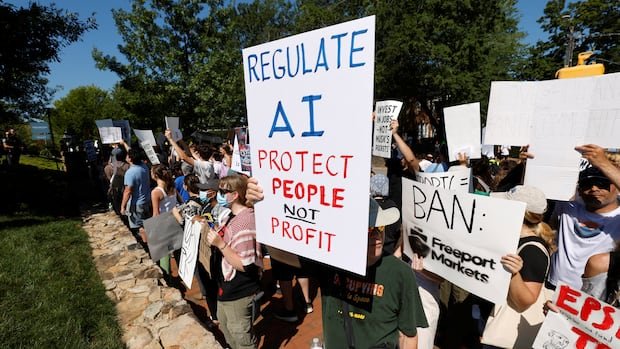
Experts advocate for stringent regulations akin to those governing nuclear weapons, including pre-deployment testing of AI systems and the implementation of measures to deactivate rogue AI swiftly. Efforts are underway in the U.S. to introduce legislation that would hold tech companies accountable for designing safe AI products and ensuring the capability to suspend or shut down potentially hazardous systems.
As the dialogue around AI risks intensifies, industry leaders like Anthropic and OpenAI are contemplating slowing down their AI development to allow safety measures to catch up. The growing public awareness of AI dangers is expected to push policymakers to take decisive action promptly to address the evolving landscape of AI technology.