

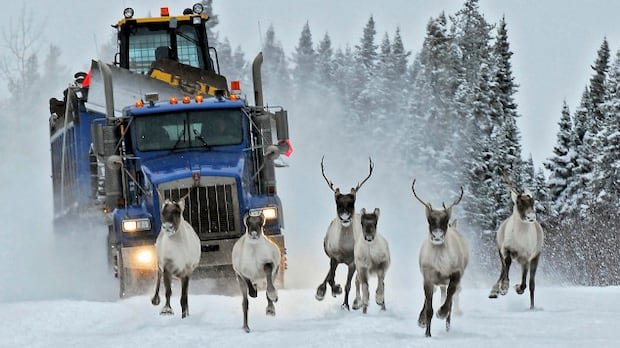

A particular species in Canada facing an endangered status may endure prolonged waits for Ottawa’s decision on protection measures as its essential habitat undergoes continual changes. A recent study revealed that out of 288 species assessed as at-risk since 2017, only 17 made it to the federal cabinet body, the Governor in Council, within the stipulated timeline. Conversely, 153 species, over half of the total, were beyond schedule and still awaiting a decision as of January 25, 2025.
This delay affects various species like caribou, beluga whales, and lake sturgeon, which have been classified as endangered or threatened while awaiting listing decisions crucial for triggering habitat protections and recovery plans. The study highlights a bottleneck in the Species at Risk Act (SARA), where recommended timelines exist for assessment progression, but a crucial stage lacks a statutory deadline.
The report does not pinpoint the reasons for these delays, but critics argue that this gap enables governments to defer difficult choices concerning conservation and economic priorities. Peter Thompson, the lead author of the study and a postdoctoral researcher at Simon Fraser University, noted the government consistently fails to meet the timelines it sets, typically recommending one to two years for the process.
For instance, the Saskatchewan-Nelson River population of lake sturgeon faces challenges due to habitat fragmentation caused by dams and hydro projects. COSEWIC designated this population as endangered in 2017, yet it missed a federal deadline in 2020 and remained in limbo five years later.
The protection measures delayed following COSEWIC assessments are essential for endangered or threatened species under SARA, triggering restrictions against harming or capturing them, along with mandating a recovery strategy and identifying critical habitats for safeguarding. Aquatic species, especially, benefit significantly from these protections, as SARA’s regulations apply broadly to them across Canada.
Moreover, the study underscores the broader implications beyond biodiversity loss, emphasizing the cultural significance and traditions linked to these species. Indigenous communities, in particular, face challenges during the listing process, balancing the need for conservation with preserving cultural connections to vital species.
The lack of transparency in delays and the absence of explicit timelines in the decision-making process have raised concerns among researchers and environmental advocates. Efforts are needed to streamline the system, ensure timely decisions, and provide the necessary protections for endangered species.