


A college student named Josh Wells, hailing from Iowa, embarked on his maiden international trip to Montreal, filled with excitement. While surveying Airbnb accommodations for his stay, he noticed something peculiar. Several property hosts had profile pictures that seemed artificially generated, unlike the typical imperfections found in iPhone photos, as Wells pointed out to CBC’s “Cost of Living.”
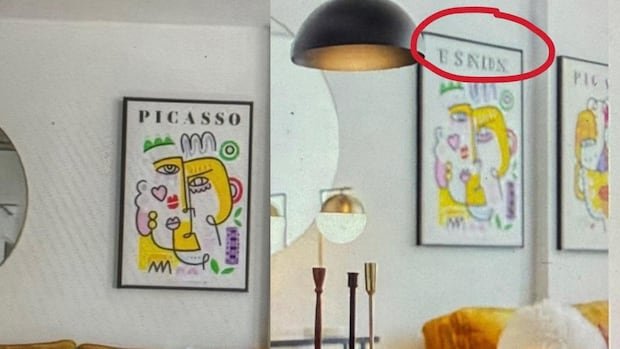
Despite his suspicions, Wells continued his search and almost booked a property until he closely examined the listing photos. He scrutinized a piece of wall art portraying two connected faces labeled “Picasso,” which appeared distorted in another photo from a different angle, indicating artificial creation.
This discovery deterred Wells from proceeding with the booking and opting for an apartment-style hotel over Airbnb. He expressed his reservations, emphasizing the importance of authentic representations in property listings, especially when travelers are investing substantial amounts.
Wells’ experience sheds light on a common concern among travelers regarding the accuracy of Airbnb photos and similar rental platforms. Instances like an Ottawa family discovering discrepancies between listing photos and the actual property in Toronto underscore the challenge of distinguishing reality from AI-generated depictions.
Experts highlight the growing accessibility of AI tools for image editing, raising questions about the ethical boundaries in altering property photos. The ease with which AI can modify images prompts concerns about misrepresentation, potentially leading to consumer distrust and disputes over property conditions.
Airbnb’s response emphasizes the importance of accurately representing listings, addressing concerns over misleading content through AI or digital editing. Measures such as the California Artificial Intelligence Transparency Act aim to enhance transparency in digital content creation, although Canada lacks specific AI legislation, existing consumer protection laws offer recourse for deceptive practices.
To combat potential misrepresentation, experts recommend travelers scrutinize listing photos for signs of AI manipulation, such as irregularities in furniture placement, inconsistencies in shadows or reflections, and distorted text in images. Employing tools like Google Lens can help verify the authenticity of property images, enhancing consumer confidence in booking accommodations.
While Wells remains cautious following his Montreal experience, his positive encounters with Airbnb elsewhere demonstrate the platform’s potential, provided transparency and authenticity are maintained without the influence of AI-generated content.