

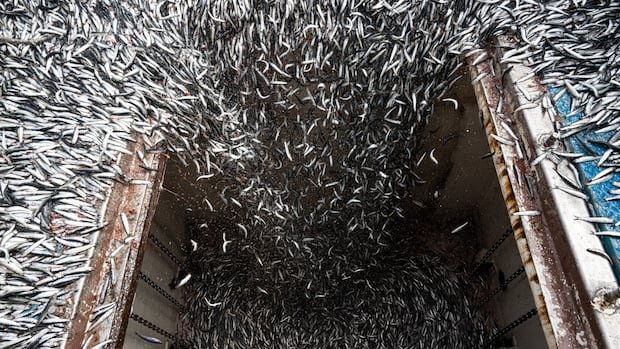

An investigation conducted by an international team of journalists based at The Outlaw Ocean Project in Washington, D.C., uncovered a troubling incident at United Marine Products, a factory in Goa, India, in 2020. Government investigators found that the factory was illegally disposing of toxic wastewater by drilling bore holes behind the plant, leading to groundwater contamination and health issues among villagers and livestock. Despite these findings, the plant owner denied any wrongdoing.
The factory supplied Skretting, a major feed producer used by numerous fish farms in Canada, connecting Canadian seafood consumers to the environmental and social impacts of fish meal production. The investigation highlighted various hidden costs associated with producing fish feed, such as the loss of artisanal fishing jobs, chemical exposure, worker fatalities, and protests triggered by the unpleasant odors from fish meal factories.
While aquaculture is a rapidly growing industry globally, relying heavily on fish meal and fish oil made from wild fish, efforts to reduce this reliance have been noted. The industry has started incorporating alternative ingredients like insects, algae, and krill into feed production to decrease the proportion of fish meal used. Despite these efforts, demand for fish meal remains high, impacting fish stocks and leading to social and environmental issues in countries where fish meal is produced.
The Outlaw Ocean Project’s investigation also shed light on the challenges faced in the fish meal production industry, including overexploitation of fish stocks, unsustainable fishing practices, and labor issues. The investigation highlighted the need for increased transparency and sustainability in the fish meal industry to address these complex issues.