

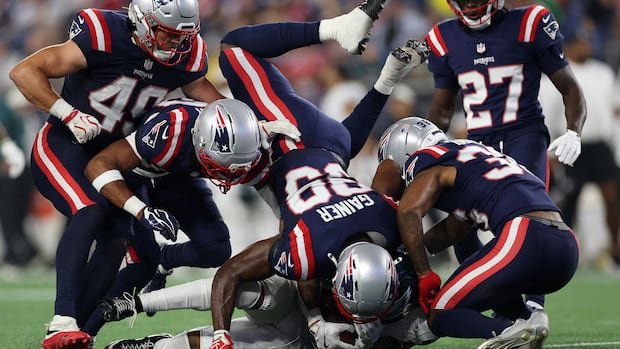

A recent study conducted by U.S. researchers revealed that at least one in four former National Football League (NFL) players exhibited signs of chronic traumatic encephalopathy (CTE) at the time of their deaths. CTE, a brain disease associated with repeated head trauma commonly found in contact sports, manifests in symptoms such as memory loss, balance issues, personality changes, depression, aggression, and suicidal thoughts.
The research, led by Dr. Daniel Daneshvar from Mass General Brigham, Boston University, and the Concussion & CTE Foundation, aimed to estimate the prevalence of CTE among NFL players. The study identified 235 deceased players who donated their brains, with over 90% showing evidence of CTE. Accounting for players who did not donate their brains, the study estimated a minimum CTE prevalence of 25%.
Notably, about six in 10 NFL players with CTE met the criteria for dementia, indicating severe cognitive impairment. The severity of CTE pathology in the brain was directly correlated with the likelihood of developing dementia.
Dr. Charles Tator, a prominent Canadian neuroscientist, emphasized the need for increased awareness and safety measures in sports to prevent such debilitating conditions. While sports leagues like the NFL have taken steps to enhance player protection, there is a call for broader efforts to mitigate the risks associated with repetitive head impacts that contribute to CTE development.
The study’s findings underscore the importance of early intervention and preventive measures to safeguard athletes’ brain health. Researchers advocate for a comprehensive approach to minimize all forms of head injuries, not just concussions, to reduce the long-term consequences of CTE. Ultimately, the goal is to shift focus towards developing treatments and potential cures for CTE, as current diagnostic methods are only viable posthumously.