


Conservatives are urging the Liberal government to disclose the contents of the U.S. tariff deal that was rejected recently. While some experts advocate for transparency to foster national unity, others argue that revealing the details could weaken Canada’s negotiating position.
Following failed negotiations, U.S. President Donald Trump imposed 50% tariffs on numerous Canadian imports. Prime Minister Mark Carney stated that the U.S. demanded too much and offered too little for Canada to agree.
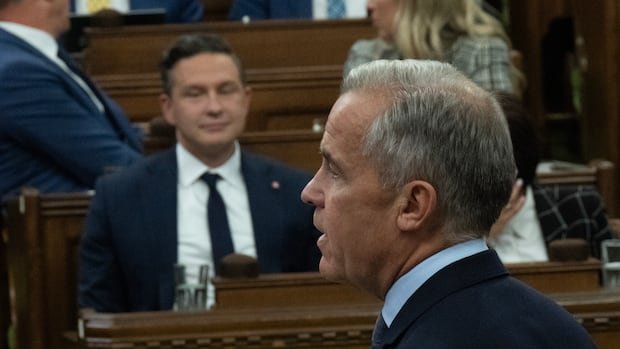
Conservative MPs are pressing Carney to reveal the specifics of the rejected agreement. Conservative Leader Pierre Poilievre emphasized the need for transparency, stating that Canadians should be informed about the terms that were initially accepted and later declined.
Bloc Québécois Leader Yves-François Blanchet expressed openness to the government disclosing the details of the deal. However, trade lawyer Lawrence Herman cautioned against such transparency, citing the sensitivity of trade talks and the risk of jeopardizing future negotiations.
Carlo Dade, from the University of Calgary, supported transparency, highlighting that the U.S. is aligning its trade objectives globally. Finance Minister François-Philippe Champagne defended the government’s transparency, noting that key negotiation points were widely reported.
Poilievre argued that the U.S. likely knows much of Canada’s offers, while former minister Jason Kenney emphasized the complexity of negotiations. Despite differing views on transparency, experts agree on the importance of national unity amid ongoing trade disputes.
Dade underscored the significance of transparency in Canada’s unique trade circumstances. He warned that the U.S. could exploit tariff laws to divide provinces, emphasizing the need for clarity to prevent internal discord.
In summary, the debate over releasing trade deal details revolves around balancing transparency with strategic negotiation tactics to protect Canada’s interests and maintain unity.