

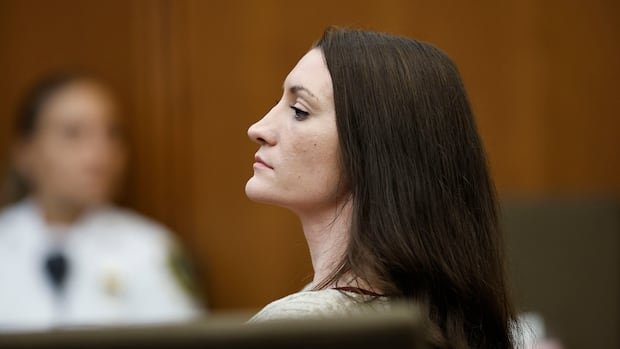

The testimony phase ended on Wednesday in the trial of Lindsay Clancy, a mother accused of strangling her three young children, shedding light on postpartum mental health issues. Closing arguments are set to commence on Thursday, leading to jury deliberation. Clancy, 36, has pleaded not guilty due to lack of criminal responsibility, with her defense asserting that she was suffering from postpartum psychosis when she killed her children in January 2023. Postpartum psychosis is a rare mental disorder associated with the stress, sleep deprivation, and hormonal fluctuations following childbirth.
Prosecutors claim that Clancy meticulously planned the murders and was fully aware of the wrongfulness of her actions. Throughout the five-week trial, Clancy did not take the stand, while the defense presented ten witnesses, including friends and family, and the prosecution called over 70 witnesses, including her ex-husband. A forensic psychiatrist from the University of Virginia and a senior psychiatrist from the FBI’s Behavioral Analysis Unit testified as the final rebuttal witness for the prosecution. They disputed Clancy’s claims that a voice directed her to kill the children, highlighting her ability to carry out the act without specific instructions, indicating a level of control and planning on her part.
Following the tragic incident where Clancy strangled her children with exercise bands before attempting suicide, questions were raised about the sudden cessation of the purported voice she claimed to have heard. The psychiatrist pointed out inconsistencies in Clancy’s accounts and behavior, indicating a lack of prior reports about hearing voices and discrepancies in her timelines. The defense challenged the psychiatrist’s expertise in postpartum psychosis, attempting to depict him as closely associated with law enforcement. They highlighted Clancy’s efforts to seek help for her mental health struggles, suggesting that she was not acting out of selfishness but was genuinely trying to address her issues.
For those in need of support, various mental health helplines and resources are available, including the Suicide Crisis Helpline and Kids Help Phone.