

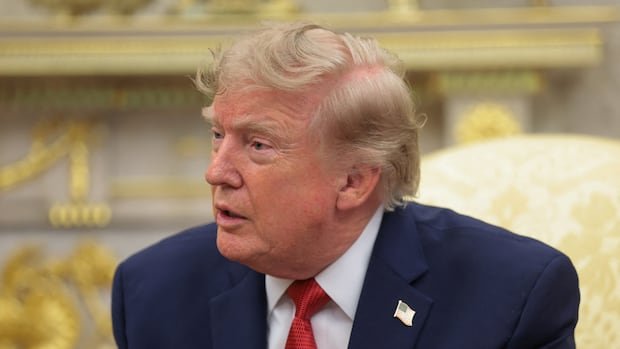

U.S. President Donald Trump made a last-minute announcement on Tuesday, revealing a three-day postponement of the planned 50% tariffs on various Canadian goods. The decision came shortly before the tariffs were set to be enforced, with Trump citing a potential deal between the two nations as the reason for the delay.
A statement from the White House highlighted the suspension as being in the public interest, following Canada’s commitment to addressing trade issues raised by the Trump administration. Canadian Prime Minister Mark Carney acknowledged the progress made but emphasized the need for further discussions to strengthen the economy.
Originally scheduled to take effect early Wednesday, the tariffs would have impacted a wide range of products valued at over $28 billion. The temporary pause provides breathing room for negotiators striving to reach an agreement and eases concerns for businesses fearing the detrimental effects of the levies.
Although the delay offers momentary relief, the long-term implications remain uncertain. Trump did not confirm if a finalized deal would result in the permanent cancellation of the tariffs. Throughout intense negotiations, Canada has been navigating delicate talks with U.S. counterparts to address key issues, including concerns over auto tariffs.
The intricate discussions have revolved around finding a balance of concessions to benefit both nations. Canada has been advocating for tariff reductions, particularly in the auto sector, while the U.S. has been pushing for market access and tariff adjustments in various industries. The negotiations are ongoing, with a new deadline set for Friday.
The evolving trade talks have been closely watched by businesses on both sides of the border, as the outcome could significantly impact economic stability. The uncertainty surrounding the potential tariffs has created challenges for Canadian businesses, prompting a need for a resilient response to navigate the changing trade landscape.