

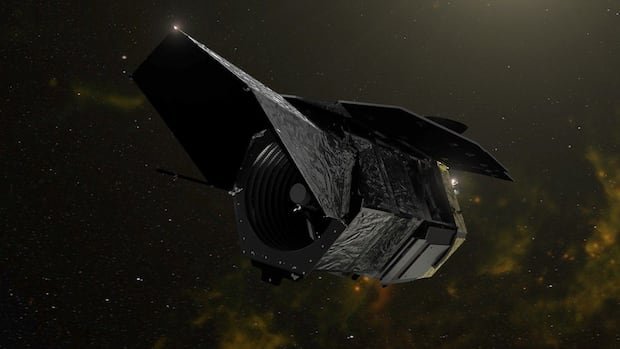

If everything goes according to schedule, a new space telescope is set to launch from Cape Canaveral, Florida, atop a Falcon Heavy rocket at 7:26 a.m. on Sunday morning. This telescope, named the Nancy Grace Roman Space Telescope after NASA’s inaugural chief astronomer, is expected to provide new insights into our universe.
The Nancy Grace Roman Space Telescope will be positioned 1.5 million kilometers away at a point known as L2, where gravitational forces allow satellites to maintain a stable orbit. It is embarking on a five-year mission, with the potential for an extension beyond that period.
Despite the presence of existing telescopes like the Hubble Space Telescope and the James Webb Space Telescope, the addition of the Nancy Grace Roman Space Telescope is significant due to its distinct instruments. While sharing a similar-sized mirror to the Hubble at approximately 2.4 meters, it features a coronagraph to block starlight, revealing planets around distant stars. Additionally, it includes a Wide Field Instrument with sensitivity comparable to Hubble’s but capable of capturing images of areas 100 times larger, enhancing observational capabilities significantly.
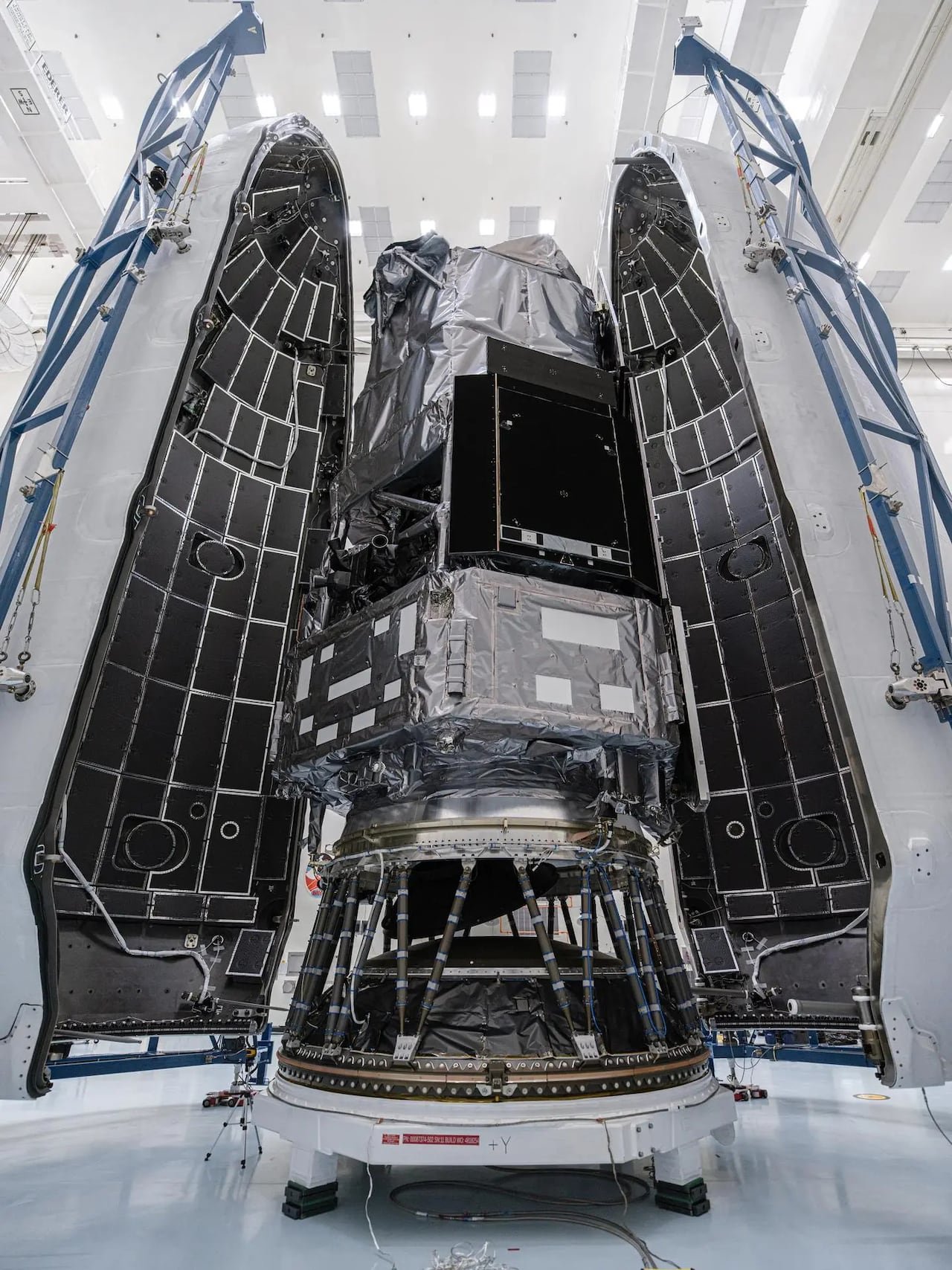
The telescope’s imaging capabilities will enable the resolution of billions of stars, facilitating diverse sky and stellar surveys.
So, what sets the Nancy Grace Roman Space Telescope apart? Let’s explore some of the highly anticipated astronomical discoveries astronomers are anticipating from this advanced telescope.
Exploration of Exoplanets
While the existence of life on other planets remains unknown, astronomers are actively studying other star systems to comprehend the uniqueness of our solar system or potentially discover similar systems elsewhere.
Over 6,300 exoplanets have been confirmed to date, primarily through the Kepler Space Telescope.
The Nancy Grace Roman Space Telescope will employ techniques like the transit method, observing stars for extended periods to detect slight light variations caused by planets passing in front of them. This approach, on a larger scale with the Nancy Grace Roman, is expected to significantly increase the discovery of transiting exoplanets.
Kelsey Hoffman, a co-investigator on one of the telescope’s observing programs and a researcher at Bishop’s University in Sherbrooke, Quebec, expressed excitement about the significant increase in the number of stars and planets that will be studied, highlighting the vast learning opportunities it presents.
The telescope will also utilize microlensing, a method that allows for deeper exploration of exoplanets, enabling the detection of Earth-like planets with enhanced sensitivity.