

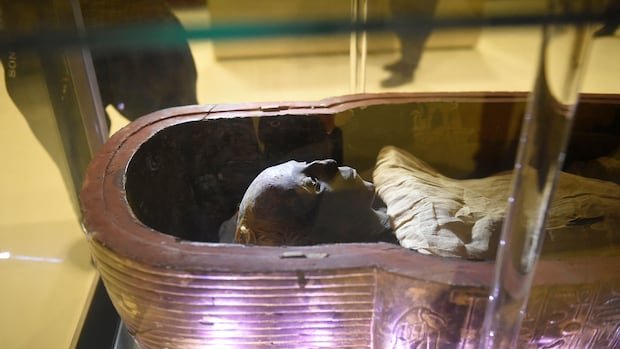

While not a common expectation, researchers have uncovered a thriving global market for preserved human remains available online, a niche interest that may carry potential health risks, according to a recent study. Lead author Kirsty Squires and her team delved into 128 online posts from 2015 to 2025 showcasing and offering for sale preserved remains of humans and animals.
Squires, a bioarchaeology professor at the University of Staffordshire in Stoke-on-Trent, England, noted the prevalence of mummified heads, hands, and feet in the analyzed posts. These preserved body parts may contain dormant microorganisms like bacteria, fungi, and yeast, which, if mishandled, could pose health threats. However, experts suggest that knowledgeable collectors may not face significant concerns.
Safe Handling of Mummified Remains
The study highlighted images displaying visible decay in remains due to inadequate storage conditions. Unlike in museums where mummies are carefully preserved with controlled temperature and humidity, private collectors may not maintain such optimal conditions, leading to potential risks.
Improper handling of these remains could release hidden fungal spores or bacteria, present in mummified tissues for centuries, into the air, potentially impacting individuals, especially those with compromised immune systems. Additionally, mummified body parts may retain toxic substances like arsenic and mercury from historical embalming practices.
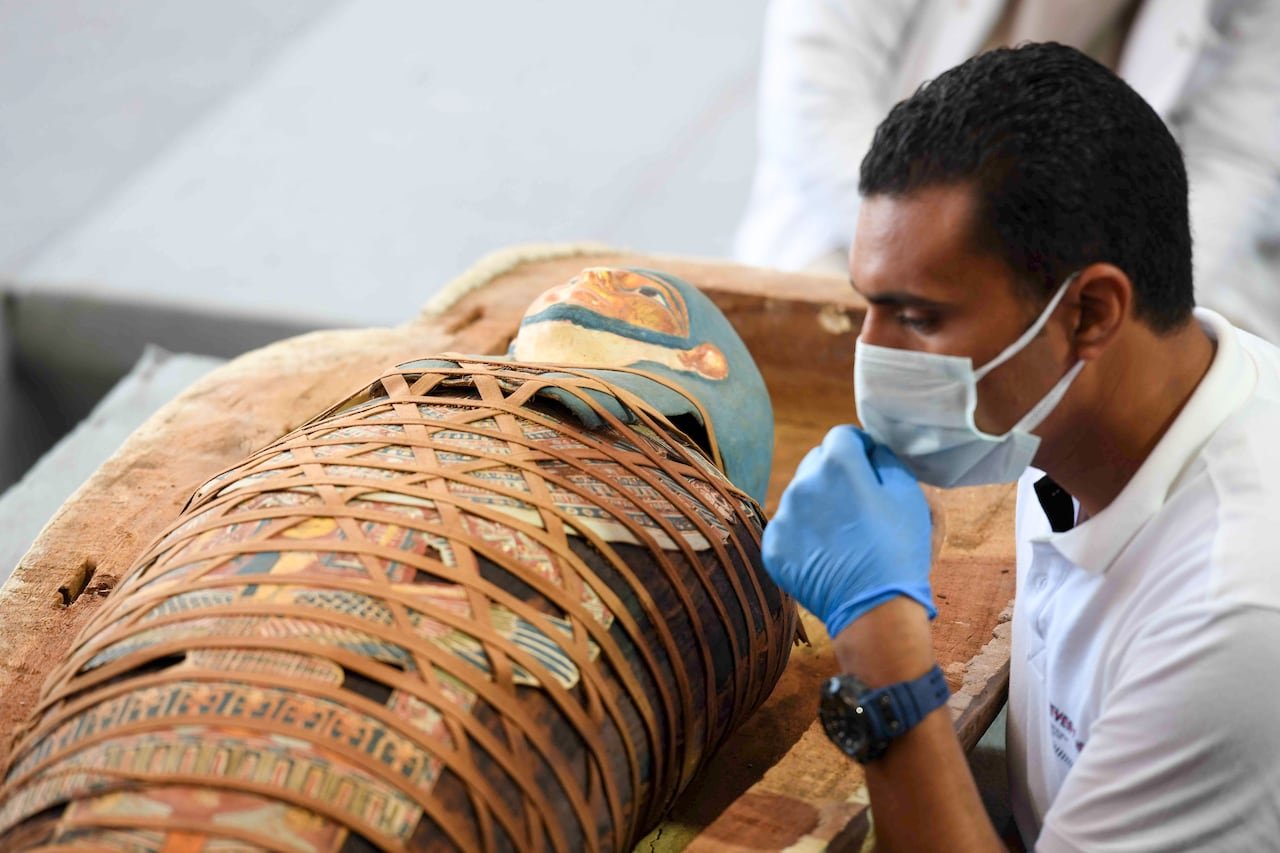
When handling human remains for research, Squires emphasizes the use of protective equipment. She noted instances in which sellers failed to employ gloves, emphasizing the potential risks to individuals exposed to airborne microorganisms.
Historical Implications
Although the study did not document cases of illness resulting from handling online-sold human remains, historical incidents underscore the potential dangers. Past events, such as the deaths of conservation scientists in 1973 due to inhaling mould spores from a tomb and the speculated impact of fungal exposure on Lord Carnarvon’s death in 1923, highlight the risks associated with interacting with human remains.
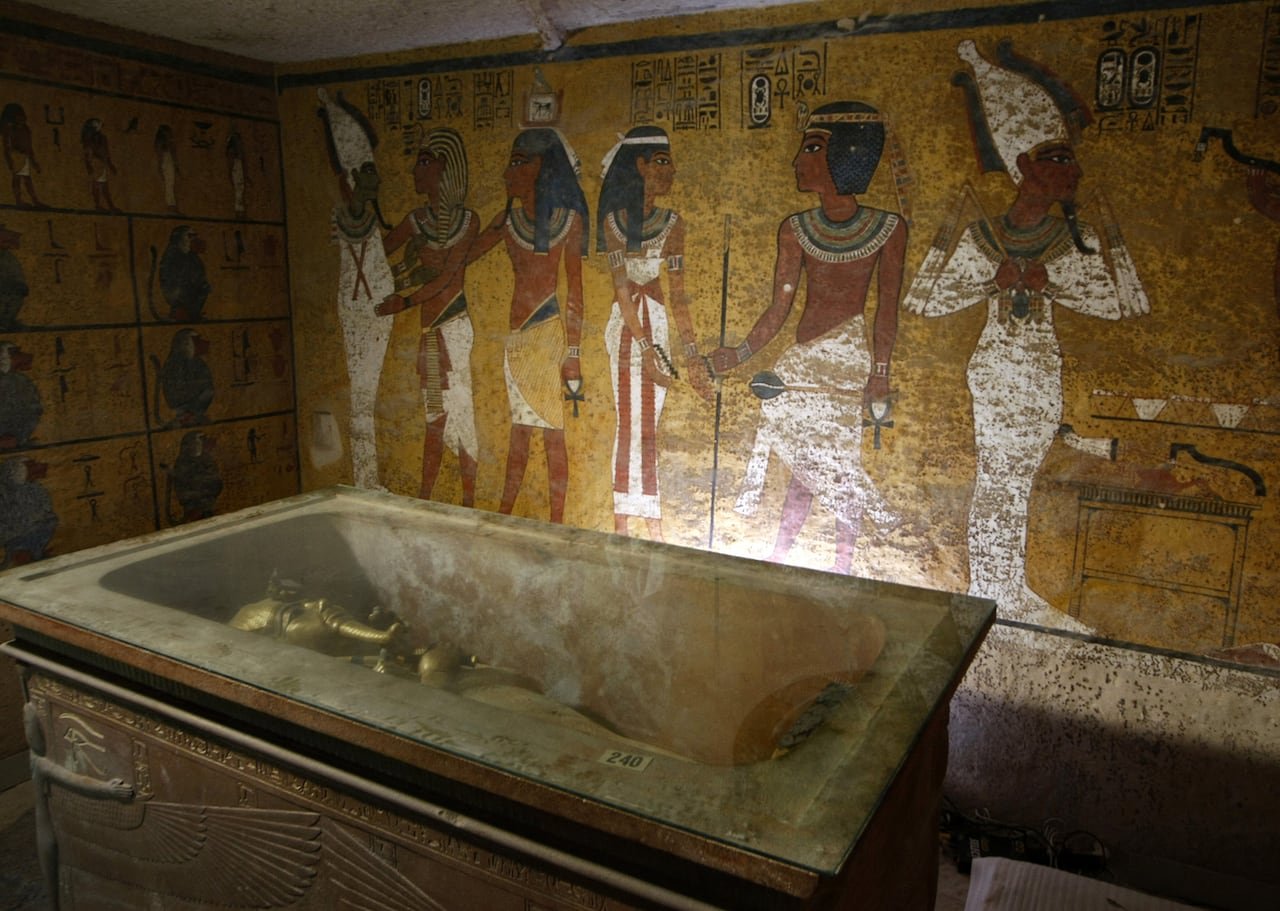
James Scott, a public health professor, raises ethical concerns regarding the trade of human remains rather than focusing solely on health risks, suggesting that well-informed collectors may mitigate potential hazards by employing appropriate precautions.
Insights into Canada’s Market
Among the examined online posts, 11 originated from individuals in Canada, reflecting a notable presence in the market. Shawn Graham, a digital archaeology professor at Carleton University, highlights the lack of meaningful regulation in the Canadian trade of human remains, with dealers easily accessible and transactions largely unrestricted.
While Canada Post prohibits the shipment of mummified human remains, loopholes exist, enabling sellers to mislabel packages to evade scrutiny, potentially endangering postal workers unaware of the contents they handle.
Contemplating a Ban
Graham advocates for stricter regulations, echoing a U.K. proposal to ban the online sale of human remains. He emphasizes the need to prevent the commodification of human bodies, calling for ethical