

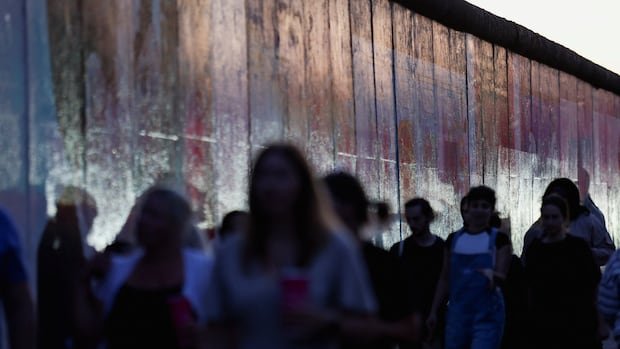

It has been 65 years since the Berlin Wall created an instant division in a city and a nation.
Starting on Aug. 13, 1961, over 10,000 police and army personnel initiated the construction of the wall. It sliced through Berlin, separating East and West Germany, dividing streets and neighborhoods, families and friendships, as well as the ideologies of democracy and communism.
Prior to its collapse 28 years later, at least 140 individuals lost their lives due to the wall, including escapees, bystanders, and border guards.
Hartmut Richter, whose family was trapped in East Germany that fateful Sunday morning, reflected, “Nobody could have envisioned it standing for 28 years.”
In 1966, Richter managed to flee to West Berlin by swimming across a frigid river. He later returned to help 33 people escape East Germany hidden in the trunk of his car.
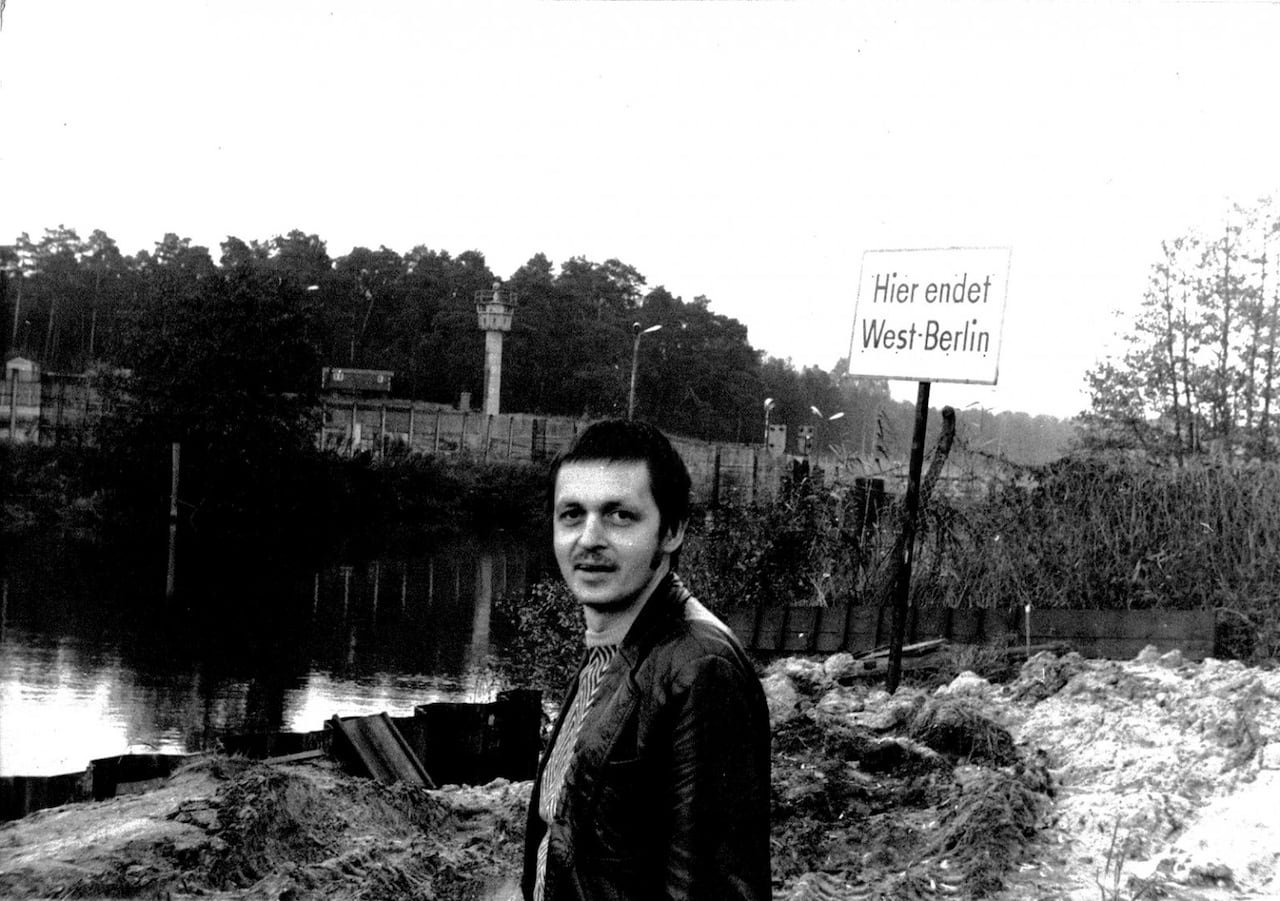
Now, more than six decades later, Richter views his struggle for freedom not just as a memory but as a cautionary tale.
“I fear for the freedom we enjoy here,” he expressed.
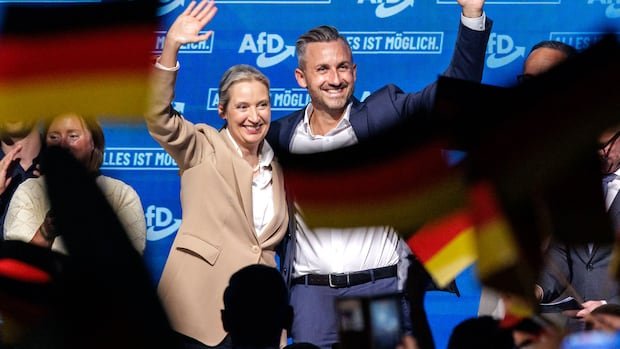
This freedom could encounter a significant challenge in the upcoming state elections, with the far-right Alternative for Germany (AfD) party positioned for a landmark breakthrough.
Observers suggest that the AfD has effectively exploited long-standing tensions between the former East and West Germany, positioning itself as the defender of east German identity while advocating for radical policies that test the boundaries of Germany’s post-war democratic system.
Recent studies, such as research by economic institute DIW Berlin, also connect the AfD’s rise to economic disparities, demographic changes, and collective grievances in the eastern regions of the country.
“It’s ironic how we emphasize reunification in Germany and becoming one nation again, only to have a party that divides German society,” remarked Justus Bender, a Frankfurt-based journalist and political analyst specializing in the AfD.
Sixty-five years after the Berlin Wall divided Germans