

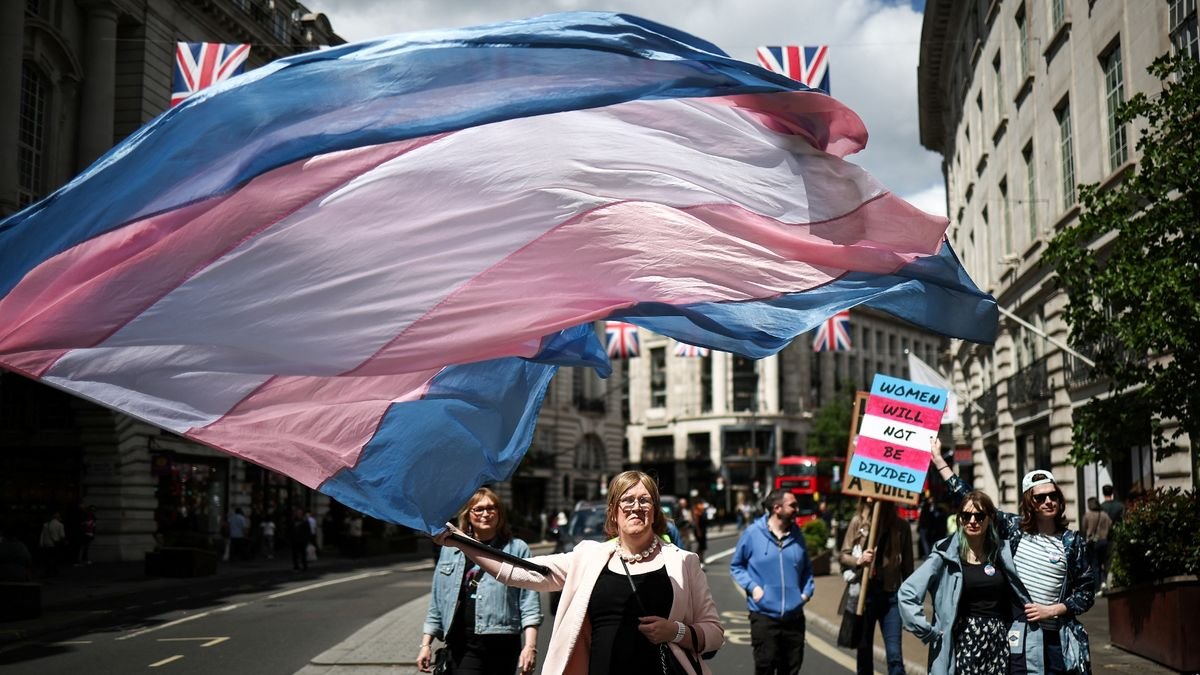

In full support of the transgender community, I emphasize my allyship unequivocally. Despite being a non-contentious stance in my view, engaging with comments on my articles has revealed a surge of hostility towards this viewpoint.
A year has passed since a significant ruling by the UK Supreme Court on the Equality Act, specifically regarding the definition of the term ‘woman’ as exclusively tied to biological sex. This ruling favored the ‘gender critical’ organization For Women Scotland, leading to jubilant scenes outside the court, which, as a feminist cisgender woman, left a bitter taste.
The aftermath of this ruling has not advanced the cause of either cisgender or transgender women. Instead, it has perpetuated a narrow and damaging perspective on women, reducing them to mere biological components. This reductionist view is concerning and far from any semblance of a feminist utopia.
Violence against women and girls remains a pervasive issue, with law enforcement declaring it a threat on par with terrorism. Statistics reveal a disturbingly high percentage of domestic abuse cases being linked to male defendants, underscoring the urgent need for societal action against such violence.
Hate crimes against the Trans Community in the UK have seen a rise over the past five years, as reported by Stonewall UK. Furthermore, a significant portion of trans individuals have encountered hate crimes due to their gender identity, highlighting the vulnerability of this community.
Debates purportedly centered on transgender individuals’ restroom usage or sports participation are, in reality, veiled hate speech. Blaming ordinary trans women for societal issues rather than addressing the root causes is a misplaced focus that only exacerbates existing challenges.
Exclusionary feminism contradicts the very essence of feminism, and stripping away rights from any group contradicts the pursuit of equality. The Supreme Court’s ruling has cast a shadow over the feminist movement, diverting attention from critical issues of women’s safety that affect all women, regardless of gender identity.
Allyship is a fundamental pillar in promoting equality, as emphasized by TransActual’s guidelines for effective allyship. Kindness, inclusivity, and vocal support are essential in combating hatred and discrimination, uniting all women in the shared goal of equality.
For those who align with these sentiments and wish to show solidarity with the trans+ community, adding a signature to the Not In Our Name letter is a tangible way to express support.
In conclusion, the feminist movement must stand united against divisive forces that seek to perpetuate harmful stereotypes and restrict individual freedoms based on gender. It is only through collective action and unwavering support that genuine progress towards gender equality can be achieved.