

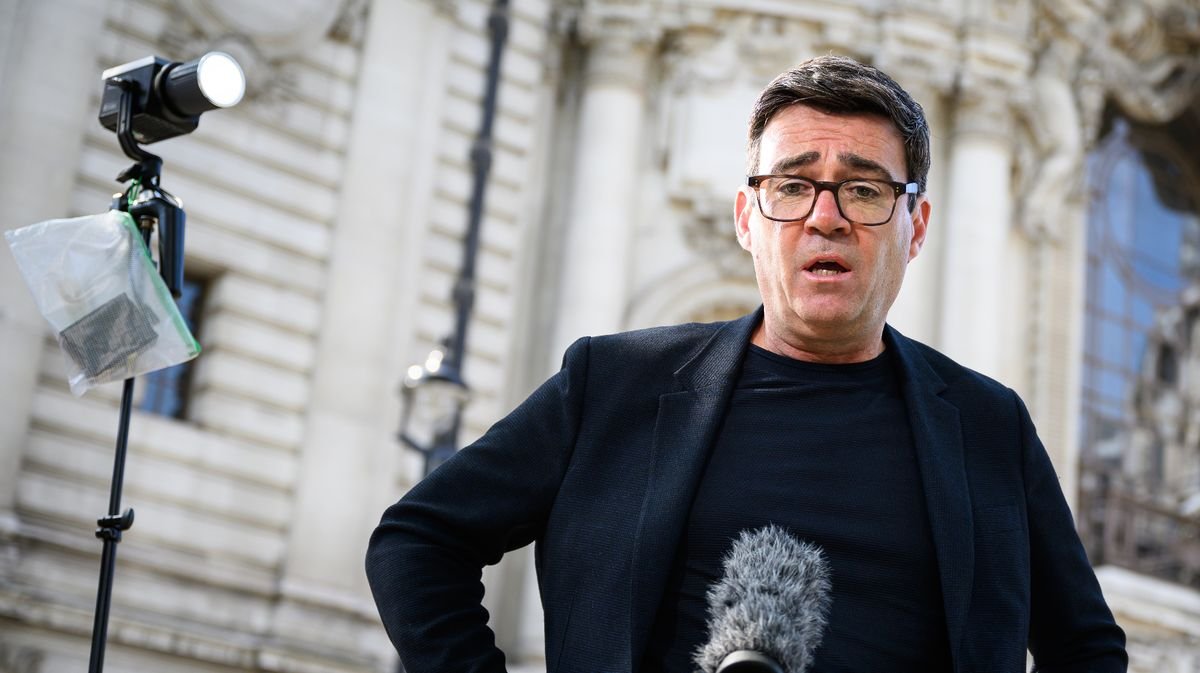

Labour faced internal conflict as Andy Burnham was denied approval to run for a parliamentary seat, sparking controversy. The Mayor of Greater Manchester had expressed interest in stepping down to compete in the Gorton and Denton by-election, potentially challenging Keir Starmer.
Despite seeking permission, Burnham was blocked by a majority vote of the Labour National Executive Committee, with only Deputy Leader Lucy Powell supporting his candidacy. This decision raised tensions within the party, with some MPs criticizing the leadership for appearing weak and risking electoral outcomes in upcoming crucial contests.
In response, Burnham expressed disappointment, highlighting concerns about the impact on future elections and criticizing the party’s handling of the situation. Supporters of Burnham, including prominent Labour figures like Ed Miliband and Sadiq Khan, argued for his right to pursue leadership aspirations.
Opponents of Burnham running cited financial implications and the potential for disruptive leadership speculation. The NEC defended its decision based on party regulations and strategic considerations, emphasizing the need to focus on upcoming elections without unnecessary distractions.
Amidst the controversy, various Labour members voiced differing opinions, with some calling for a reconsideration of the decision to prevent long-term negative consequences. The Home Secretary and NEC chair emphasized the importance of unity and avoiding internal conflicts that could harm the party’s public image.
The party justified its stance by stating that avoiding a mayoral by-election would save resources needed for crucial electoral campaigns and address pressing issues like the cost of living crisis. The Gorton by-election, triggered by a former MP’s resignation, presents a significant challenge for Labour given current polling trends and competition from other political parties.