

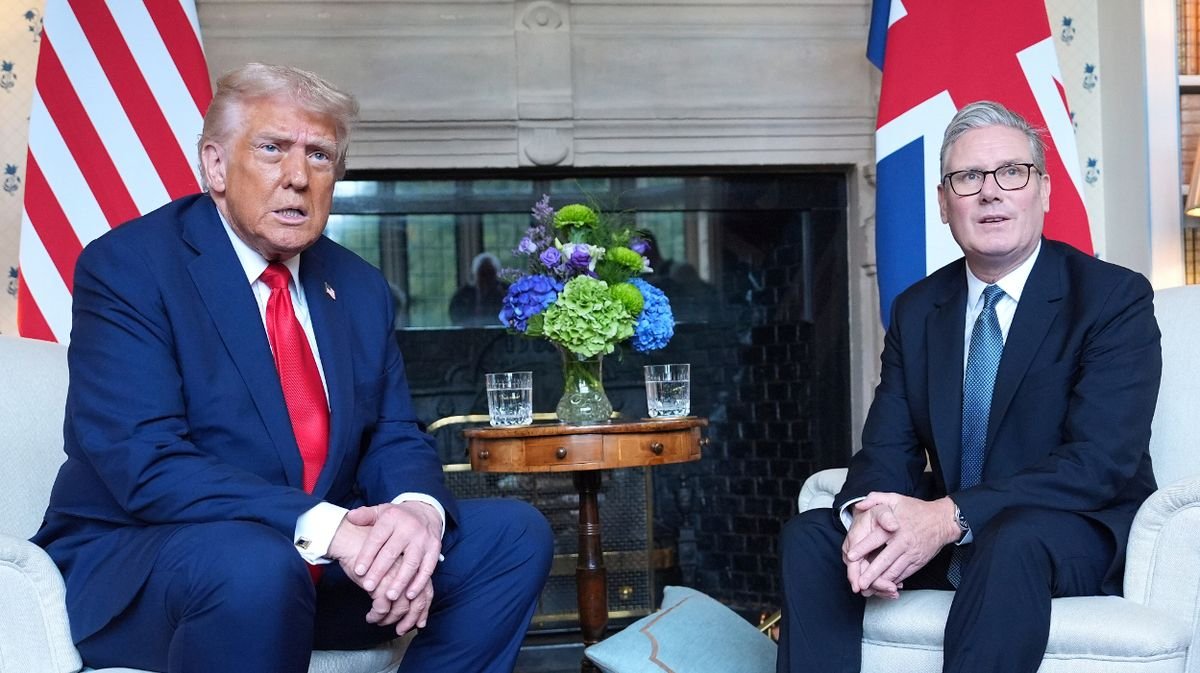

In a surprising turn of events, Donald Trump appears taken aback by the lack of support from America’s allies regarding his actions towards Iran. However, this response was not unforeseen and has been brewing for some time.
To recap, Trump’s decision to strike Iran lacked a strategic plan for the expected repercussions. While Iran may not have been able to withstand a full-scale assault from the US, they had the capability to disrupt global commerce by making the Strait of Hormuz treacherous for shipping, affecting the flow of oil and natural gas.
Confronted with the challenges of a prolonged conflict and the absence of a swift victory, Trump sought assistance from other nations to address the aftermath of his actions. Nevertheless, the international community’s response was a resounding rejection, primarily due to the potential backlash they would face domestically for intervening in a situation created by Trump.
Moreover, there has been a misconception surrounding Trump’s approach to foreign affairs during his second term. While he has been labeled as a “transactional” President, implying mutual benefits in dealings, in reality, Trump prioritizes his own interests, administration, and legacy over equitable exchanges. His foreign policy tactics often involve leveraging threats of violence or severe economic penalties to secure concessions, resembling a form of extortion rather than genuine transactional diplomacy.
Despite his previous bravado, Trump’s international standing has been weakened, particularly after the loss of his tariff authority by a Supreme Court ruling. Furthermore, his overconfidence, fueled by past perceived successes like the sudden intervention in Venezuela, led him to believe he could act unilaterally without facing repercussions, as evidenced by his handling of Iran.
In essence, Trump’s inflated ego has led him to make decisions that his military capabilities cannot support, resulting in the current diplomatic challenges he faces on the global stage.