

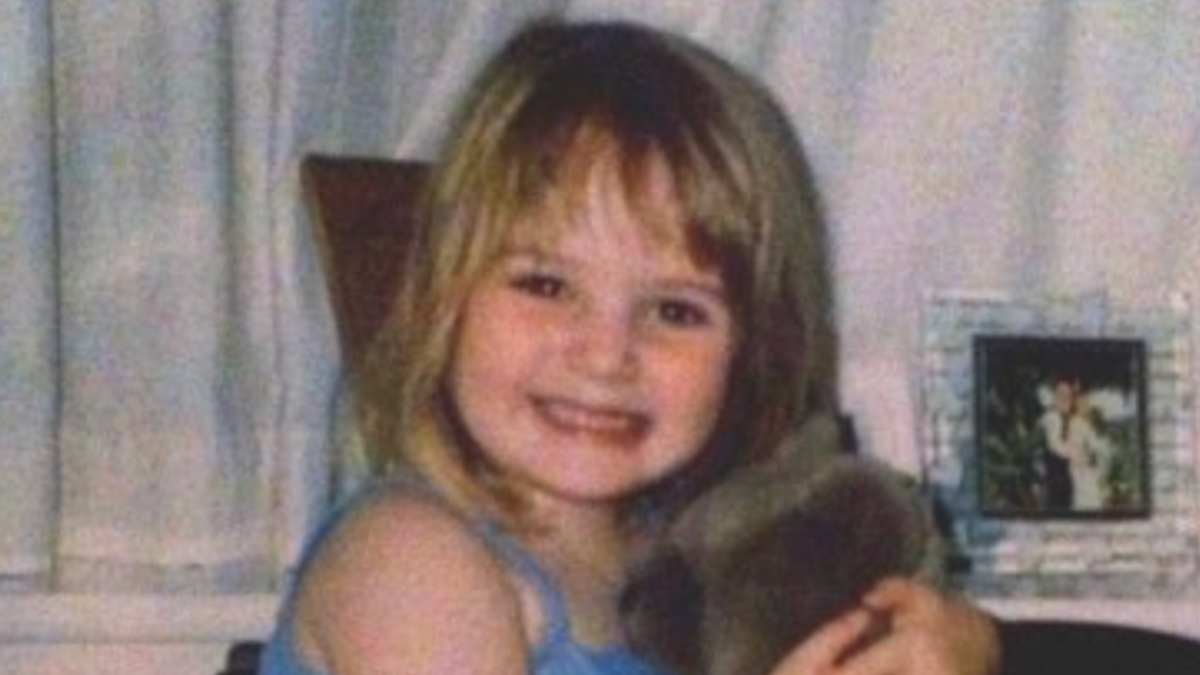

Halfway through getting ready for school, I suddenly informed my mother that I wasn’t feeling well enough to attend. Unlike most 13-year-olds, I wasn’t skipping school – I had been experiencing severe headaches for several days. Despite visiting my GP and an urgent treatment center, they both diagnosed me with a simple migraine and sent me home.
As a teenager who disliked drawing attention to myself, I didn’t think much of it at the time. Strangely, my pain had lessened after the appointments. However, everything changed dramatically on that particular morning before school.
The excruciating headache became unbearable. I started losing my vision and began vomiting. Soon, I found myself slipping in and out of consciousness.
My courageous father drove urgently to the nearest hospital in Peterborough, a harrowing 30-minute journey, with me lying unresponsive in my pregnant mother’s lap. My memory becomes hazy from this point, but the accounts from my family still fill me with dread.
In a state of panic for his daughter, my father rushed into the hospital’s ambulance bay, placed me in a wheelchair, and hurried to the children’s unit. Despite my critical condition, we were initially told to wait.
Refusing to accept this delay, my father, like any parent facing a nightmare, persisted. As I slumped in the wheelchair, fading away, he did everything possible to get me immediate medical attention.
In a stroke of luck, a prominent neurologist, who was not usually at the hospital, overheard my father’s desperate pleas to the staff. Finally, I was examined and quickly taken for an MRI scan. The specialist suspected a brain hemorrhage.
I recall the intense brightness seeping through my closed eyes as I was wheeled down the hallway. A doctor asked me questions, but I couldn’t respond. The only sound I remember was the eerie noise of the MRI machine scanning my brain.
Fortunately, it was not a brain hemorrhage, but rather one of the most severe cases of meningitis the neurologist had encountered.
Doctors administered antibiotics and steroids to halt the dangerous bacteria and reduce brain swelling. Thankfully, my body responded well, and my cognitive functions began to return. However, the situation remained critical.
I was swiftly transported to Addenbrooks hospital, a top neurosciences unit in the UK, where I received exceptional care. Following two lumbar punctures, my diagnosis was confirmed.
Results indicated that I likely had both viral and bacterial meningitis. After spending about a month in the hospital, I was discharged with ongoing treatment.
Approximately eight weeks after the incident, I returned to school, having physically recovered fully, though the emotional impact on my family and me lingered. The reality is, had it not been for that passing neurologist, my fate may have been different.
Parents are often educated on the typical symptoms of meningitis – rash, stiff neck – but these signs did not manifest in my case. While headaches are listed as a symptom, it was easily overlooked by doctors since it was my sole complaint. Detecting it in younger children would have been even more challenging.
My near-death experience occurred before the introduction of the meningitis B vaccine in the NHS childhood immunization program. Since then, many lives have been saved, but tragedies still occur.
The recent meningitis outbreak at the University of Kent, resulting in two deaths and several serious illnesses, serves as a stark reminder of the disease’s rapid and deadly nature.
I consider myself fortunate to have survived relatively unscathed. According to NHS estimates, one in ten cases of bacterial meningitis prove fatal.
I urge everyone to ensure they are vaccinated, as it could potentially save a life.