

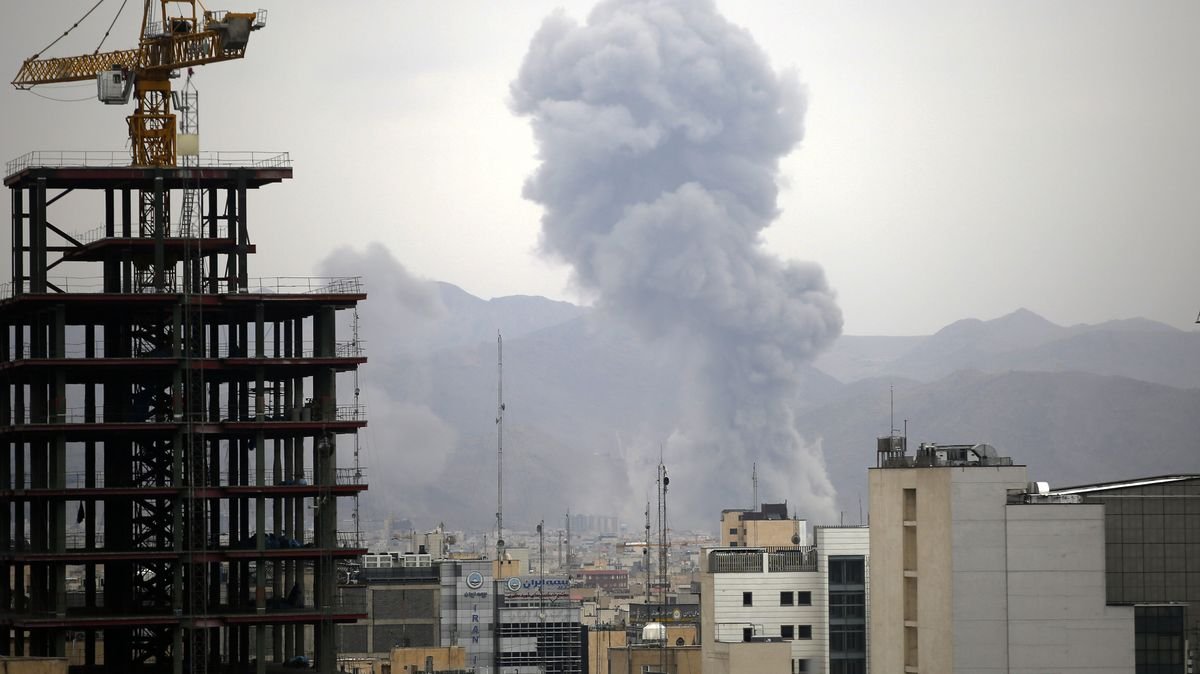

The ongoing conflict in Iran and the surrounding regions may be coming to a close, as indicated by US President Donald Trump’s desire for a resolution. This war has incurred significant costs for America and Israel in terms of military resources and expenditures, yet the Iranian regime remains resilient.
By potentially ending the war now to elicit positive reactions from financial markets, Iran’s strategy of imposing high costs on the coalition and posing a threat to involve the Gulf States in a costly war seems to have been effective. Despite suffering military setbacks, Iran’s leadership has grown more determined and radical.
Motjaba Khamenei, who has taken over from his late father Ayatollah Khamenei, holds close ties to the Islamic Revolutionary Guard Corps but has faced personal tragedies. Trump’s inconsistent communication has highlighted his lack of strategic depth in initiating the war.
Although Trump has issued strong warnings to Iran, including threats of severe consequences if oil flow through the Strait of Hormuz is impeded, Iran has already taken such actions. The conflict has not achieved its objectives, with ongoing attacks on military targets indicating a prolonged engagement.
Despite the significant military actions taken by Israel and the US, the desired regime change in Iran has not materialized. The opposition in Iran, left without promised support, faces an uncertain future post-war.
The war has severely weakened Iran’s military capabilities but has not fully accomplished its intended goals. As Trump contemplates ending the conflict, the possibility of future escalations looms, suggesting a protracted cycle of violence.