

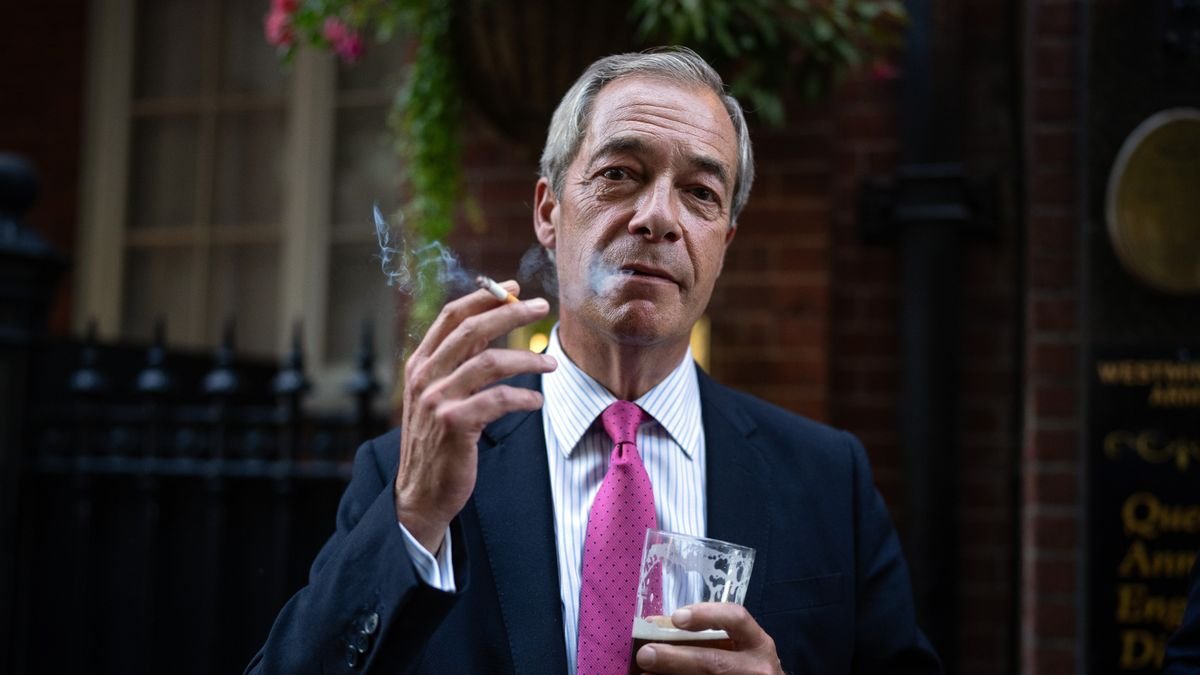

Nigel Farage faces accusations of enriching himself while denying making any income from his £94,000 parliamentary salary. The Reform UK leader has breached the MPs’ code of conduct 17 times by failing to promptly declare financial interests totaling £384,000. Despite earning over £1 million from secondary employment post the general election, Farage defended his earnings, attributing them to his personal brand rather than his parliamentary role.
Critics have long scrutinized Farage for his lucrative activities beyond his MP salary. During an investigation, Farage justified his delayed declarations, citing his multifaceted roles as a TV presenter and successful entrepreneur. He argued that his earnings were not derived from his parliamentary position but from his individual pursuits.
Following the probe, Farage acknowledged and apologized for the breaches, attributing them to administrative oversights by his staff. Notably, he disclosed tardy registrations, including payments from GB News, Direct Bullion, and Cameo, among others. The MPs’ code mandates a 28-day window for declaring financial interests, a rule Farage admitted to violating in a letter to the commissioner.
Farage emphasized the complexities of his financial affairs, pointing out discrepancies in the disclosure process for individuals with diverse business endeavors. Despite the oversight, he maintained transparency in reporting gross incomes. He further explained the administrative lapses by his team, highlighting the challenges faced since the election and his reliance on staff for administrative tasks due to his limited computer proficiency.
An analysis of Farage’s Register of Interests revealed substantial earnings from various engagements, including travel sponsorships and media appearances. Recent disclosures showed significant earnings from his GB News role and as a brand ambassador for Direct Bullion. Additionally, he garnered income from social media collaborations and speaking engagements post the election.
Political reactions to Farage’s financial affairs were critical, with opposition figures accusing him of prioritizing personal gains over constituents’ interests. The Labour Party criticized Farage for focusing on secondary jobs rather than serving the public effectively. Meanwhile, TUC General Secretary Paul Nowak condemned Farage’s actions, highlighting disparities in income and advocating for fairer treatment of workers.
Liberal Democrat Deputy Leader Daisy Cooper echoed similar sentiments, labeling Farage as excessively preoccupied with external engagements rather than serving his constituency. She drew parallels between Farage and Donald Trump, emphasizing the need for politicians to prioritize public service over personal enrichment. Cooper urged Farage to prioritize local responsibilities over international engagements.
In conclusion, Farage’s financial disclosures have sparked debate and criticism, raising questions about the balance between parliamentary duties and external income sources. The ongoing scrutiny underscores the importance of transparency and accountability in public office.