

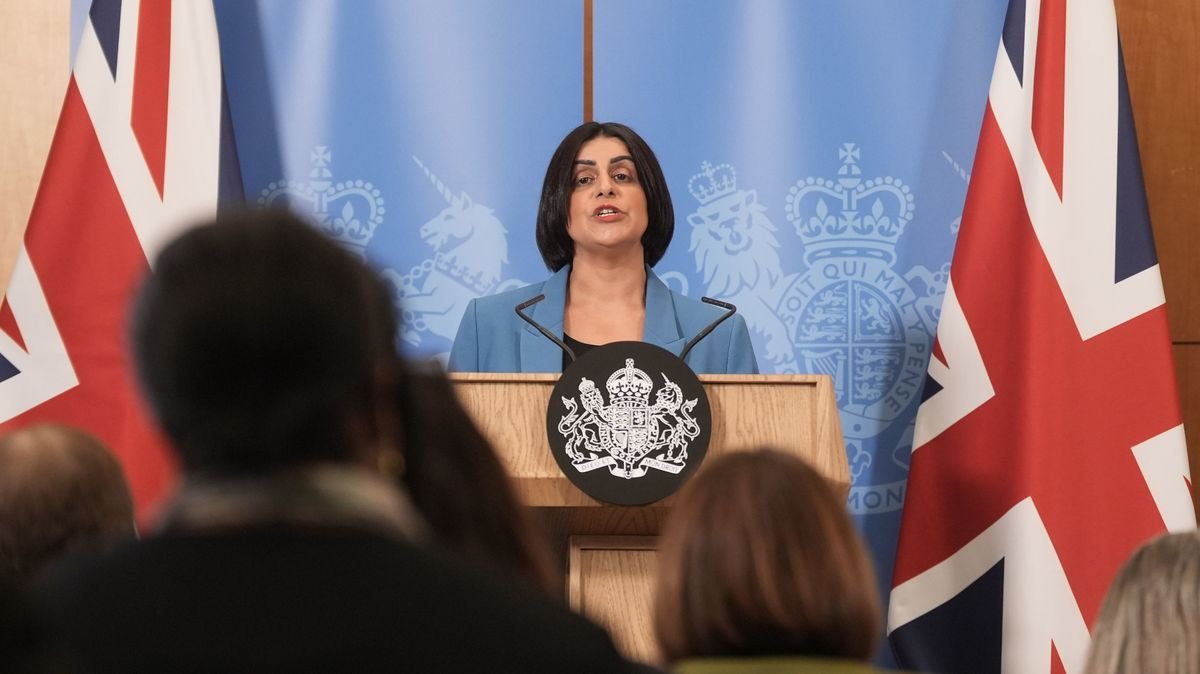

The position of Home Secretary in British politics has often been described as a challenging and contentious role.
Shabana Mahmood is currently facing a tumultuous period as she deals with various criticisms and challenges while trying to fulfill her duties as the Home Secretary.
The recent proposals by the Labour government regarding the deportation of children, changes to settlement regulations, and the status of permanent refugee rights reflect the troubled nature of the current political climate.
The outcome of decisions made on migration and asylum policies could potentially impact the political landscape, possibly paving the way for figures like Nigel Farage to gain influence or resulting in defeats in parliamentary votes for the Home Secretary.
Despite facing criticism, the Home Secretary has demonstrated her resolve by delivering a significant speech at a think-tank that had previously criticized her initiatives, showcasing her willingness to engage in debates and defend her positions.
While Ms. Mahmood’s proposals have raised concerns among Labour members, activists, and affected individuals, she argues that her actions are necessary to address issues of fairness, control migration flow, and combat exploitation by human traffickers.
Emphasizing the importance of maintaining a humane asylum system and regulating legal migration, the Home Secretary aligns her stance with Labour principles, aiming to rectify perceived injustices and inefficiencies under the previous government.
However, the contentious issue of forcibly removing children and the perceived targeting of legal migrants have raised questions about the government’s direction and treatment of vulnerable groups under the current administration.
Facing challenges from within her party and the broader political spectrum, Ms. Mahmood must address concerns and garner support to maintain unity within the Labour Party amidst growing dissent and calls for policy reconsideration.
As the debate continues, the Home Secretary’s ability to sway opinions and enact effective policies will be crucial in shaping the future of asylum and migration governance in the country, highlighting the significance of her current endeavors.