

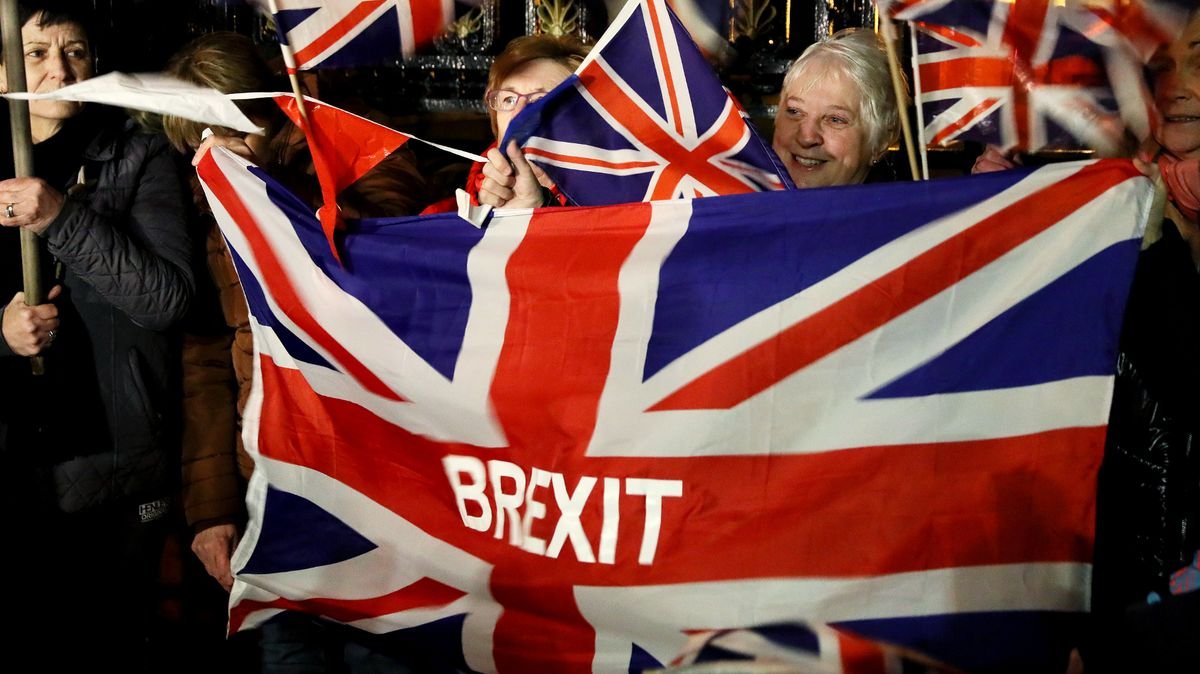

On the occasion of Brexit’s sixth anniversary, the decision to leave the European Union continues to have detrimental effects on the economy, politics, and society of Britain. The consequences of this self-imposed crisis have led to a significant economic loss of £140 billion for the country. In light of the challenges posed by forces like Donald Trump’s administration and the shifting global landscape, there is a growing recognition that rejoining the EU is crucial for securing Britain’s future prosperity.
Amidst Trump’s antagonistic stance towards Britain and his disruptive actions, there is a renewed emphasis on the benefits of collaboration with European partners. Political figures like Keir Starmer are advocating for a closer relationship with the EU to mitigate the negative impacts of Brexit. Calls from Cabinet Ministers to reduce trade barriers reflect a shifting public opinion towards regretting Brexit and considering rejoining the EU as a viable option.
By promoting stronger ties with Europe, Starmer aims to not only safeguard Labour’s position but also pave the way for a potential policy shift in future elections. The failures and financial burdens brought about by Brexit underscore the necessity of reassessing Britain’s relationship with the EU. As discussions around Brexit evolve, there is a growing sentiment that Labour has nothing to fear from accusations of betrayal, as the real betrayal lies with those who misled the public during the referendum.
As Brexit marks another year of challenges, the focus is increasingly shifting towards acknowledging the economic repercussions and the imperative of reengaging with the EU to address the damage caused.