

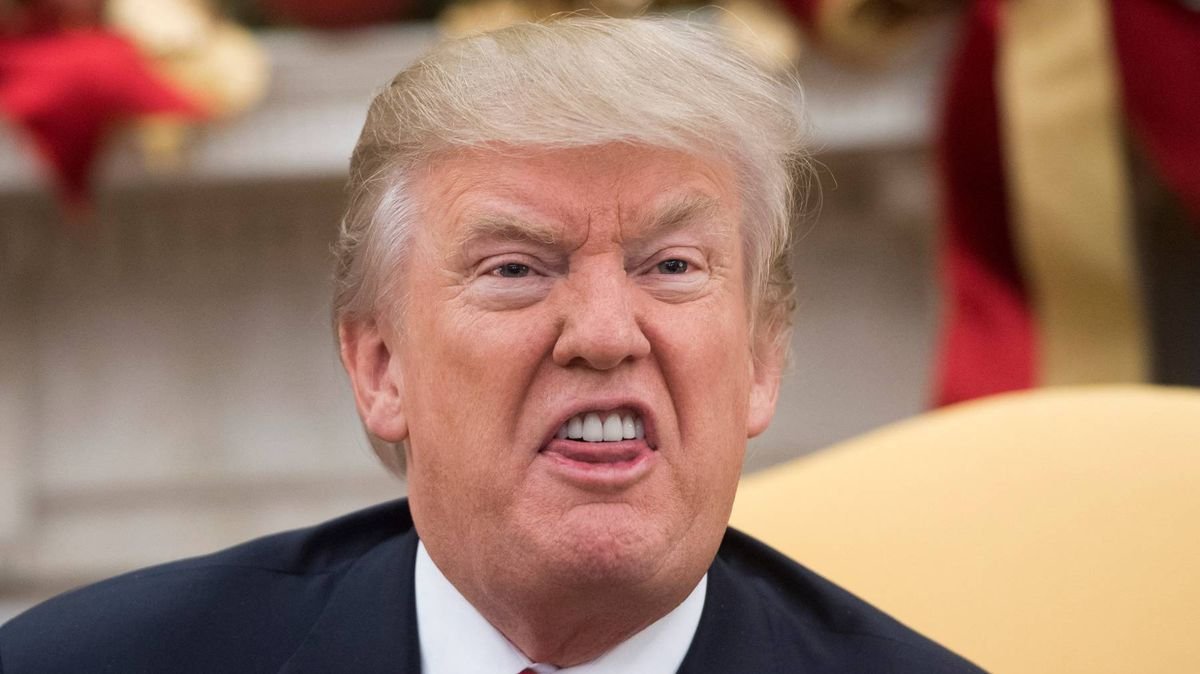

In a striking display of unpredictability, Donald Trump has once again demonstrated his penchant for abrupt reversals, this time concerning the Chagos Islands issue. The sudden shift in stance from endorsing a deal to condemning it appears to be driven not by strategic considerations but by the president’s volatile temperament and desire for retribution.
Just a few months ago, a seemingly settled agreement over the Chagos Islands was reached following discussions between Keir Starmer and Trump. The deal, which included a transfer of sovereignty and a long-term lease for the military base on Diego Garcia, was seemingly well-received by Trump at the time.
However, Trump’s recent outburst on social media reveals a complete reversal of his earlier position, with harsh criticisms directed at Starmer. The president’s reaction underscores his tendency to view any contradiction as a personal affront, leading to impulsive and drastic policy shifts.
Trump’s capricious behavior, exemplified by his contrasting views on Greenland and Chagos, highlights a troubling pattern of governance based on personal whims rather than rational decision-making. The implied quid pro quo of support for Chagos in exchange for endorsement of Trump’s Greenland agenda smacks of extortion rather than diplomatic engagement.
Despite the sound strategic rationale behind the Chagos deal, Trump’s erratic behavior threatens to jeopardize the stability of vital alliances and security arrangements. The president’s mercurial nature, driven by ego and grudges, serves as a stark reminder that agreements made with him are inherently fragile and subject to abrupt changes.
Starmer, who had been navigating a delicate relationship with Trump, now faces the reality that no understanding with the president is immune to sudden shifts in mood. The broader implication is clear: in dealing with Donald Trump, consistency and long-term commitments hold little weight against his immediate impulses and grievances.