

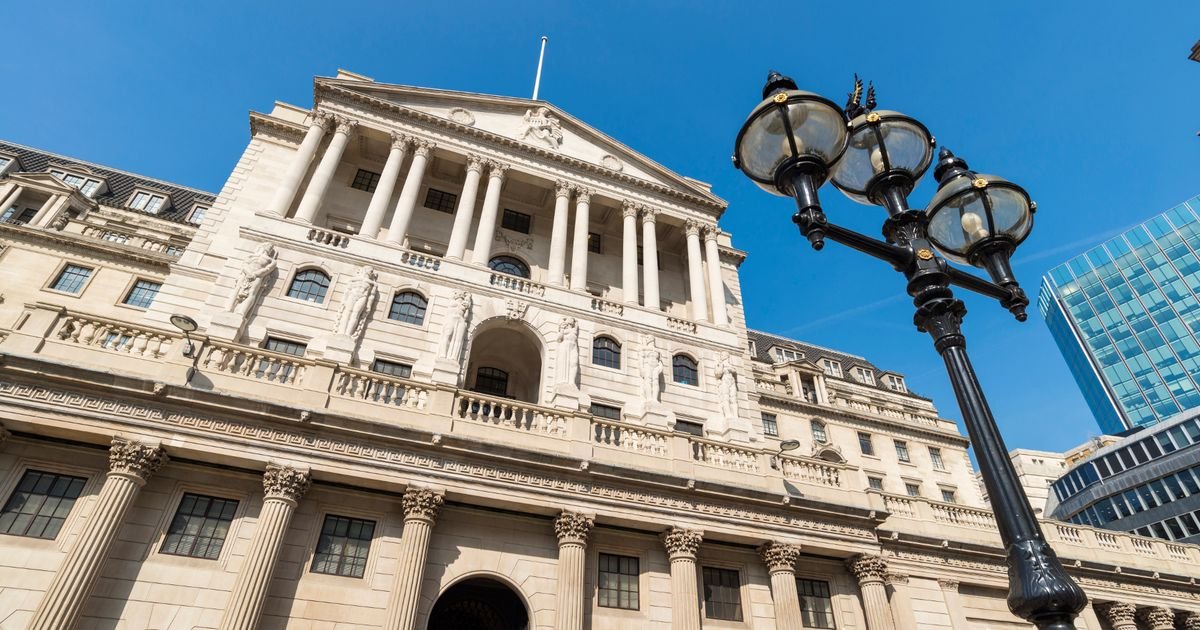

The Bank of England has granted borrowers an early holiday gift by lowering interest rates to their lowest level since February 2023. The Monetary Policy Committee, consisting of nine members, voted 5-4 to reduce the base rate from 4% to 3.75%, marking the sixth cut since August of the previous year. Bank Governor Andrew Bailey’s support for the cut was pivotal, especially following a welcomed slowdown in inflation.
This rate reduction is expected to benefit borrowers with variable rate mortgages and could potentially lead to decreased costs for fixed-rate mortgages for new loans or remortgaging. However, it may pose a challenge for savers if financial institutions decide to lower interest rates for depositors.
Chancellor Rachel Reeves acknowledged the positive impact of the interest rate cut on families with mortgages and businesses with loans. She emphasized the ongoing efforts to address the cost of living by implementing measures such as freezing rail fares, reducing prescription charges, and cutting £150 off the average energy bill in the upcoming year.
Paul Nowak, the TUC General Secretary, expressed appreciation for the rate cut but stressed the need for further and quicker reductions to support a fragile economy struggling with low demand and waning confidence. He emphasized the importance of increasing disposable income for households and businesses to boost spending and encourage investment.
The decision to lower interest rates follows a decrease in inflation to an eight-month low of 3.2% in November, driven mainly by reductions in food and drink prices as well as alcohol and tobacco costs. Marylen Edwards, director of mortgages at specialist lender MT Finance, welcomed the rate cut as a positive move for borrowers, anticipating increased market confidence and more transactions in the New Year.
The Bank of England’s base rate, which stood at 5.25% in 2023, has been gradually reduced through five cuts since August 2024, bringing it down to 4%. The recent cut is projected to save an average borrower with a variable rate mortgage and a balance of £175,000 approximately £29 per month, equating to nearly £350 in annual savings. The total savings vary for mortgages of different amounts, with potential monthly savings of £41 for a £250,000 mortgage and £57 for a £350,000 balance.
Bank Governor Bailey highlighted the decrease in inflation, paving the way for the fourth interest rate cut of the year. While inflation remains above the Bank’s target of 2%, measures introduced by Chancellor Reeves are expected to lower inflation rates further in the upcoming months.
Looking ahead, economists anticipate further rate cuts in the coming year, with predictions ranging from gradual reductions to more substantial decreases depending on economic conditions. Despite the uncertainties, the rate cut is seen as a positive step towards supporting businesses amidst challenging economic conditions.
Stuart Morrison, research manager at the British Chambers of Commerce, described the interest rate cut as a much-needed boost for businesses during the holiday season. However, he emphasized that economic growth remains a significant challenge, especially with ongoing financial pressures and low business confidence. The close vote by the Monetary Policy Committee highlights the cautious approach towards further rate cuts, underscoring the need for concrete evidence of sustained inflation control before additional measures are taken.